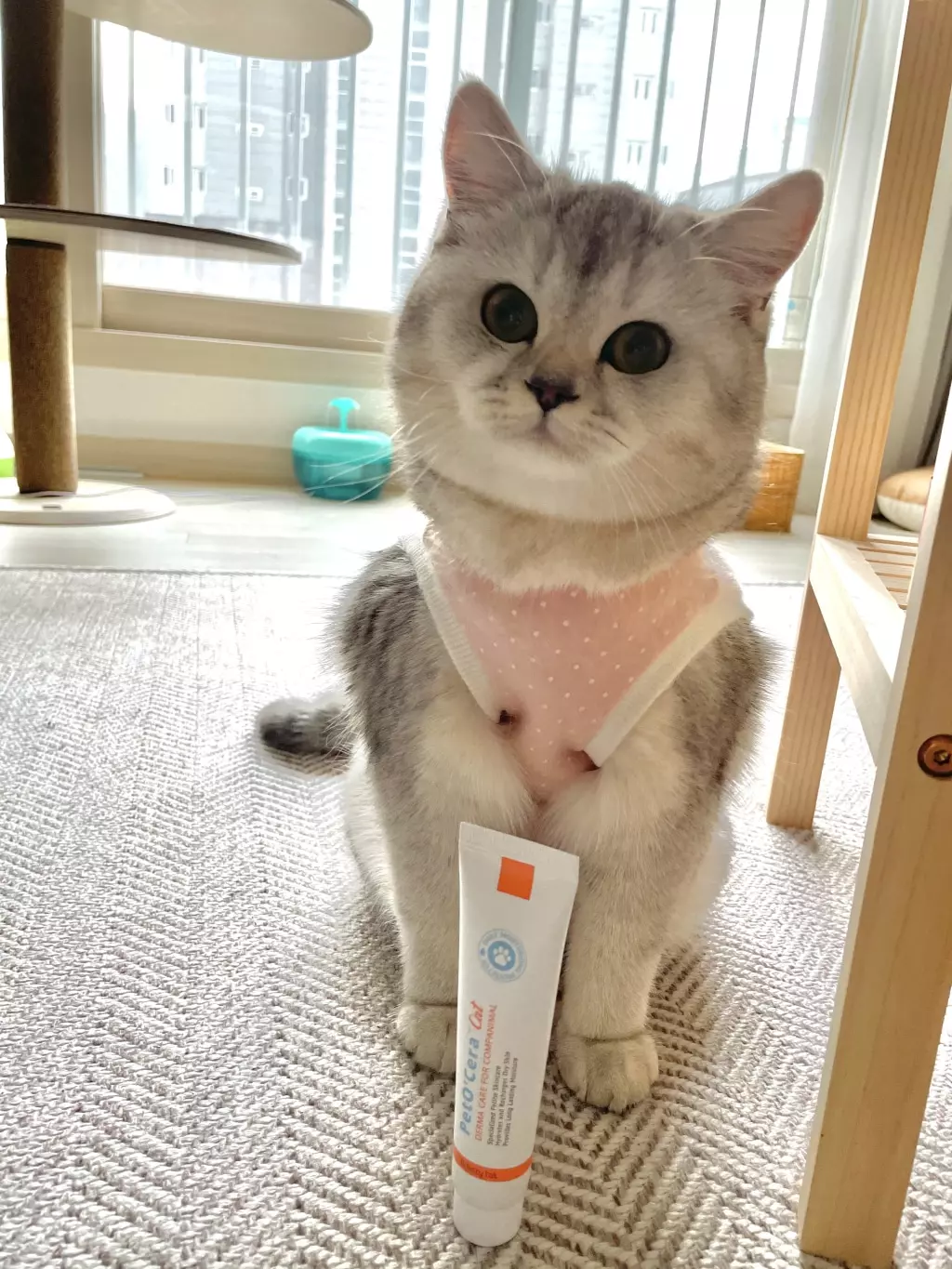
Is Your Cat’s Skin Too Dry? Signs, Causes, and How to Help
Hello, Furfriends! 🐱🌟 Have you noticed your furry companion scratching more than usual, or perhaps their coat isn’t as shiny and smooth as it used to be? Dry skin in cats is a common issue that can stem from various factors. Let’s dive into the signs, causes, and effective solutions to help your beloved pet feel their best!
What Causes Dry Skin in Cats?
Understanding the root causes of dry skin is key to addressing the issue. Here are some common culprits:
Environmental Factors
Your cat’s skin can be affected by its environment, especially during the colder months when indoor heating can lead to dry air. Ensure your home has a balanced humidity level to help keep your cat’s skin hydrated.
Allergies
Food allergies or allergies to dust, pollen, or fleas can trigger skin irritation leading to dryness. Keeping your cat free from fleas and monitoring any food changes is essential.
Skin Infections or Dermatitis
Another cause for concern can be skin infections or dermatitis. If you notice redness or inflammation, it’s time to consult your vet!
Nutrition Issues
A balanced diet isn’t just great for your cat’s energy — it’s also crucial for their skin health. Lack of essential fatty acids, especially Omega-3s, might lead to dry skin. Incorporating high-quality cat food or supplements can help.
Grooming Habits
Regular grooming is crucial for a vigorous coat and well-hydrated skin. Over-bathing can strip your cat’s natural oils, while not grooming enough can lead to matting and dryness.
Common Signs of Dry Skin in Cats
As a responsible pet owner, it’s important to watch for indicators of dry skin. Here are some signs:
- Excessive Scratching or Licking: If your cat is obsessively scratching or grooming itself, it might be trying to relieve dry skin irritation.
- Scaly or Flaky Skin: Look closely at their coat; flakes may indicate dryness.
- Redness or Irritation: Skin should be smooth and healthy — redness might suggest an underlying issue.
- Dull or Broken Fur: A dry coat can lose its shine, and individual fur strands may break.
- Frequent Grooming or Bald Patches: If they are grooming excessively, it can lead to bald spots.
How to Help Your Cat With Dry Skin
Here are some practical tips to help nourish your cat’s skin:
Nutrition & Hydration
Ensure your cat has access to fresh water and high-quality, balanced meals rich in essential fatty acids to support skin health.
Omega-3 Supplementation
Consider adding Omega-3 supplements to your routine. These fatty acids are known to improve skin condition significantly.
Proper Grooming & Bathing
Grooming your cat not only helps to remove excess fur but also distributes natural oils. Bathe your cat sparingly, using gentle, pet-safe formulas.
Environmental Improvements
Using a humidifier can enhance moisture levels in the environment, making it easier for your cat to maintain hydrated skin during dry months.
Are Moisturizing Creams Safe for Cats?
The simple answer is yes, but with a few caveats! Not all products are suitable for feline friends.
- Ingredients to Avoid: Always steer clear of creams with harmful chemicals. Cats have sensitive skin and can be affected by ingredients that are safe for humans.
- Vet-Approved Products: Use creams specifically formulated for cats. These will have safe ingredients that can help soothe and hydrate dry skin.
- Pros of Cat-Formulated Skincare: Creams that contain ceramides and other hydrating agents can effectively nourish your cat’s skin. Products like PetO’CERA Cat Cream offer a safe and effective way to maintain your pet’s skin health.
Prevention Tips: Keeping Your Cat’s Skin Healthy Year-Round
Maintaining proper skin health throughout the year is easier than you think! Here are some prevention tips:
- Seasonal Skin Care Tips: Adjust grooming frequency according to season; more often in shedding seasons.
- Grooming Frequency: Regularly brush your cat to keep their coat in check and skin healthy.
- Diet Considerations: Always provide a balanced diet rich in nutrients to strengthen their skin.
FAQ Section
Q: How often should I groom my cat to help with dry skin?
A: Ideally, you should groom your cat at least once a week to keep their coat healthy and to help distribute natural oils.
Q: Can I use human lotions on my cat’s dry skin?
A: It’s best to avoid human lotions as they can contain harmful ingredients. Stick to pet-specific products for safety.
Q: How can I tell if my cat’s dryness is severe?
A: If you notice persistent redness, irritation, or any changes in behavior, it’s important to visit your vet for a thorough check-up.
In closing, always pay close attention to your cat’s grooming habits and skin health. When it comes to your furry friend’s wellbeing, they deserve nothing less than the best. So let’s keep them feeling purr-fect all year long! 🐾💙
Leave a Reply