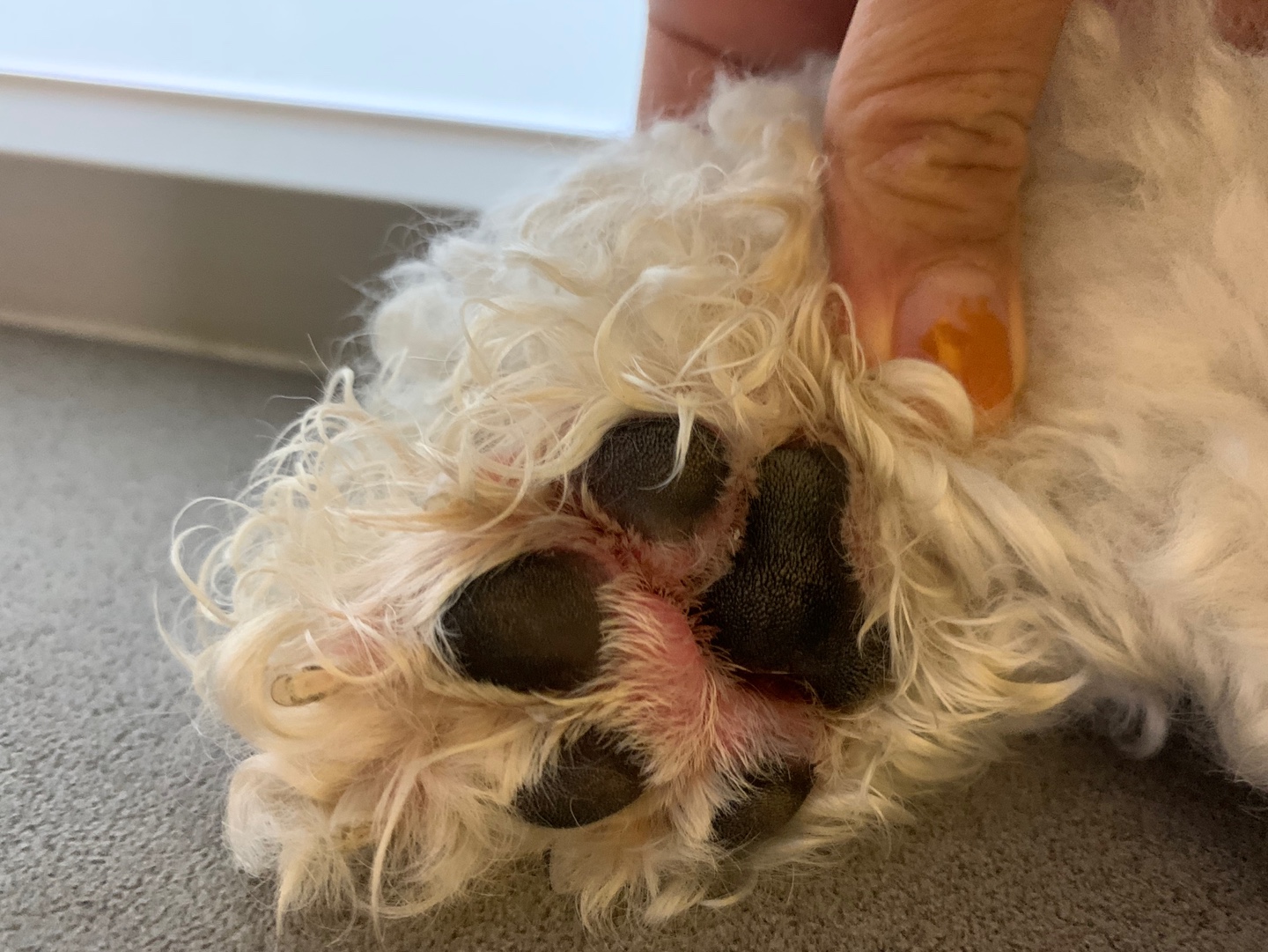
Why Your Dog or Cat Might Have Dry Skin
Dry skin in dogs and cats is a common issue that can affect their overall health and comfort. Various factors can contribute to this condition, including:
- Environmental factors: Changes in weather, exposure to allergens, or overly frequent bathing can strip natural oils from your pet’s skin, leading to dryness.
- Breed and genetics: Some breeds are more prone to skin issues due to their unique skin characteristics. For instance, breeds with long hair may trap moisture, while others may have skin that is more sensitive or less oily.
- Nutritional deficiencies: A lack of essential fatty acids or vitamins in your pet’s diet can lead to dry, flaky skin. Nutrient-rich foods are vital for maintaining a healthy coat and skin.
- Underlying health conditions: Conditions like hypothyroidism or allergies can manifest as dry skin, requiring further investigation by a veterinarian.
Common Symptoms of Dry Skin in Pets
Recognizing the signs of dry skin is crucial for timely intervention. Look for these common symptoms:
- Flakiness: One of the most apparent signs, this may appear as white flakes on your pet’s skin or coat.
- Itching and scratching: If your pet is constantly scratching or licking, it may be trying to soothe discomfort from dryness.
- Dull coat: A shiny, healthy coat can become lackluster when your pet is experiencing skin issues.
- Red patches or irritation: In some cases, dry skin may lead to inflammation, resulting in red, irritated patches that may require veterinary attention.
Natural and Vet-Recommended Treatments for Dry Pet Skin
When it comes to treating dry skin in your pets, several natural and vet-recommended options can be highly effective:
- Omega-3-rich diets: Including fish oil or flaxseed oil in your pet’s diet can help nourish the skin from the inside out, promoting healthy oil production.
- Hydrating shampoos and sprays: Opt for pet-safe shampoos that contain moisturizing ingredients, ensuring your pet’s skin retains moisture after bathing.
- Moisturizing creams and balms: Products like PetO’CERA cream, infused with ceramides, can provide a protective barrier and enhance skin hydration. These are especially useful for targeted application on dry or irritated areas.
The Importance of Moisturizing Your Pet’s Skin
Moisturizing your pet’s skin is vital for several reasons:
- Maintaining skin barrier: A well-hydrated skin barrier protects against irritants and prevents infections.
- Preventing infections: Dry, cracked skin can lead to opportunistic infections. By keeping your pet’s skin moisturized, you enhance its natural defense mechanisms.
- Improving comfort and wellbeing: Healthy skin contributes to your pet’s overall comfort, reducing anxiety and irritability associated with itching or discomfort.
Tips for a Healthy Pet Skincare Routine
To promote healthy skin at home, consider the following tips:
- How often to bathe your pet: Bathe your pet as needed, but avoid overbathing. Typically, every 4-6 weeks is ideal unless they get particularly dirty.
- Using fragrance-free, hypoallergenic solutions: Choose grooming products designed for sensitive skin to minimize allergic reactions and irritation.
- Seasonal skincare tips: Adjust your skincare routine to match seasonal changes. In winter, consider adding a humidifier to your home, while summer may call for more frequent brushing to remove dead hair and distribute natural oils.
When to See a Vet for Your Pet’s Skin Issues
If you notice persistent symptoms despite your best efforts at home, it’s time to consult a veterinarian. Conditions like chronic itching, signs of infection, or widespread flakes may indicate a more serious underlying issue that requires professional intervention.
Q&A Section
Q: What can I put on my dog’s dry skin?
A: For immediate relief, you can apply veterinarian-recommended moisturizing creams such as PetO’CERA. Additionally, supplementing their diet with omega fatty acids can help improve skin health over time.
Q: Can I use lotion or cream on my cat?
A: It’s best to avoid using human lotions, as they can contain harmful ingredients. Instead, opt for products specifically designed for pets.
Q: Is coconut oil safe for pets’ skin?
A: Coconut oil can be beneficial in small amounts for some pets, but always consult your vet first to ensure it’s suitable for your furry friend.
Closing Thoughts
Because when it comes to your pet’s health, they deserve nothing less than the best. Observing, acknowledging, and treating dry skin appropriately not only enhances their comfort but also builds a foundation for a longer, happier life. Explore scientifically formulated pet moisturizers to restore skin balance safely and naturally—because your pets deserve no less than a nurturing touch.
Leave a Reply