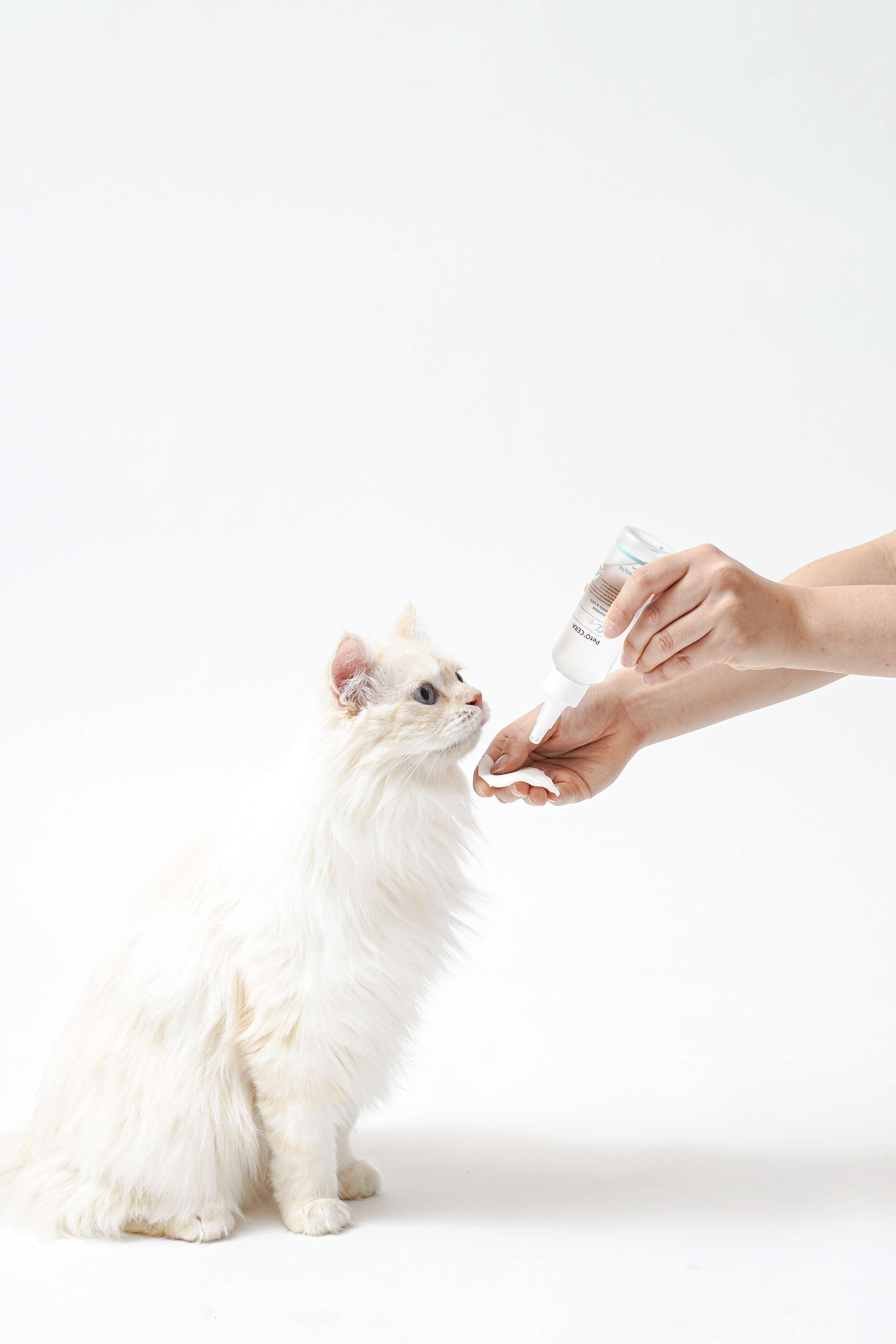
Common Causes of Ear Infections in Pets
Hello, pet parents! 🐾 Today, let’s dive into the often-overlooked topic of pet ear infections. These pesky problems aren’t just for the dogs with floppy ears; any breed can be affected. Common culprits include yeast, bacteria, allergies, and even trapped moisture from baths or swimming. Certain breeds, like Cocker Spaniels and Bulldogs, are more susceptible due to their ear structure, but that doesn’t mean other pets are immune! Let’s keep them alert and protected.
Silent Symptoms: When Your Pet Might Be Suffering in Silence
Now, the tricky part: many pets don’t show overt signs when they have an ear infection. 🐕 Keep an eye out for subtle signals, like scratching at their ears, shaking their heads excessively, or even an unusual odor. If you notice dark discharge, or any behavioral changes, it might be time to investigate further. Understanding what’s normal for your pooch or kitty is key! And remember, distinctions matter; knowing how to differentiate between mites, yeast, or bacteria can guide you and your veterinarian in choosing the right treatment.
Why Traditional Ear Cleaners May Not Be Enough
You might be tempted to reach for a conventional ear cleaner when the symptoms arise, but be cautious. Alcohol-based solutions can provide quick relief but often irritate sensitive ears more than they help. That’s where enzymatic cleaners come into play! Unlike traditional options, they don’t just mask the problem; they are designed to work symbiotically with your pet’s body, addressing the root cause with gentle efficiency.
The Science Behind Enzymatic Ear Cleaning
So, what’s all the buzz about enzymatic cleaners? 🤔 These solutions employ enzymes that effectively break down biofilm, which is essentially the debris and bacteria that accumulate in your pet’s ears. Because these enzymatic options are less abrasive than alcohol or chemical-laden alternatives, they become a safer and more effective approach to managing chronic ear issues in both dogs and cats. Talk about a health win!
Vet-Approved At-Home Ear Cleaning Routine
Thinking about cleaning your pet’s ears at home? It’s entirely doable! Here’s a step-by-step guide:
- Gather your supplies—an enzymatic ear cleaner, cotton balls, and a positive attitude!
- Secure your pet comfortably—maybe snuggle on the couch!
- Apply the cleaner as per the instructions (usually a couple of drops).
- Gently massage the base of the ear for a few seconds to distribute the cleaner.
- Allow them to shake their head to expel any excess!
- Wipe out any visible debris with a cotton ball. 💖
Aim for cleaning about once a week but adjust based on their needs. And if you see signs of a worsening infection, reach out to your vet. Regular supervision is crucial!
Natural vs Prescription-Solutions: What Works and What to Avoid
When it comes to treatments, evaluating your options is critical. While prescription treatments, such as hydrocortisone or antibiotics, may be necessary in some cases, they come with potential side effects that can impact your pet’s overall health. Enzymatic, natural remedies often fortify your pet’s immune system without harsh chemicals, making them a safer first-line option for ongoing care.
Preventing Chronic Ear Conditions with the Right Routine
Prevention is the name of the game! 🏆 A well-rounded approach to your pet’s health can significantly reduce the chances of a pesky ear infection. Ensuring a nutritious diet, performing regular grooming, and maintaining an ear-cleaning schedule are essential. Additionally, keep an eye out during allergy season or after swimming adventures—monitoring is your best defense!
FAQs
Q: How do I know if my pet has an ear infection?
A: Look out for symptoms like scratching, head shaking, odor, or dark discharge. If in doubt, you can always consult your veterinarian for help!
Q: Can I use regular cotton balls to clean my pet’s ears?
A: Yes, cotton balls are great for gently wiping out the ear canals after applying an enzymatic cleaner, but avoid Q-tips as they can push debris further in.
Q: How often should I clean my pet’s ears?
A: A good rule of thumb is once a week, though this can vary depending on your pet’s specific needs and conditions. Regular monitoring goes a long way!
Conclusion
Because when it comes to your beloved pet’s health, addressing ear infections promptly and effectively can make all the difference. If you’re looking for a gentle yet effective way to clean your pet’s ears, discover how enzymatic cleaners like PetO’CERA CL-ear EEF can naturally restore ear health. Let’s keep those ears happy and healthy—your furry friend deserves the best!
Leave a Reply