Introduction
If you’re a proud dog owner, you know how much your furry friend means to you. Seeing them scratch uncomfortably or lick their paws can tug at your heartstrings. Unfortunately, sensitive skin is quite common among our beloved pets, particularly those with allergies, thin coats, or chronic conditions. Understanding the root causes of this skin sensitivity is vital to providing the gentle care your dog deserves. Hydration and a thoughtful skincare routine play a huge part in keeping their skin happy and healthy!
1. Allergies and Environmental Irritants
Many dogs suffer from allergies caused by elements like pollen, dust mites, or even certain materials in their bedding. Allergies can lead to intense itching, which prompts excessive scratching, paw licking, and even visible redness on the skin. Keeping an eye out for these signs can help you identify if your pooch has a sensitivity issue and allows for quicker relief.
2. Poor Diet and Nutrient Deficiency
What goes into your dog’s belly plays a crucial role in their skin health. A lack of essential fatty acids, particularly Omega-3s, can lead to dry, flaky skin and irritation. Consider testing for food intolerances and consult with a veterinarian to ensure your dog receives a balanced diet tailored to their needs. Incorporating nutrient-rich foods full of omega fatty acids can significantly improve your pup’s overall skin condition.
3. Bathing Too Frequently (or With Harsh Products)
While keeping your dog clean is essential, over-bathing can strip their skin of natural oils. Using harsh or fragrance-heavy products can further exacerbate sensitivity. Instead, opt for pH-balanced, gentle, and fragrance-free grooming products. Remember, grooming should nourish, not harm!
4. Weather: Dry Air or Humidity
Extreme weather conditions can also contribute to your dog’s skin issues. During winter, dry air can cause a moisture deficit, while high humidity in summer can lead to infections and irritations. To combat this, maintaining a healthy moisture barrier on their skin is key. Using a hydrating spray and moisturizing products can help keep their skin supple and protected.
5. Parasites and Flea Allergies
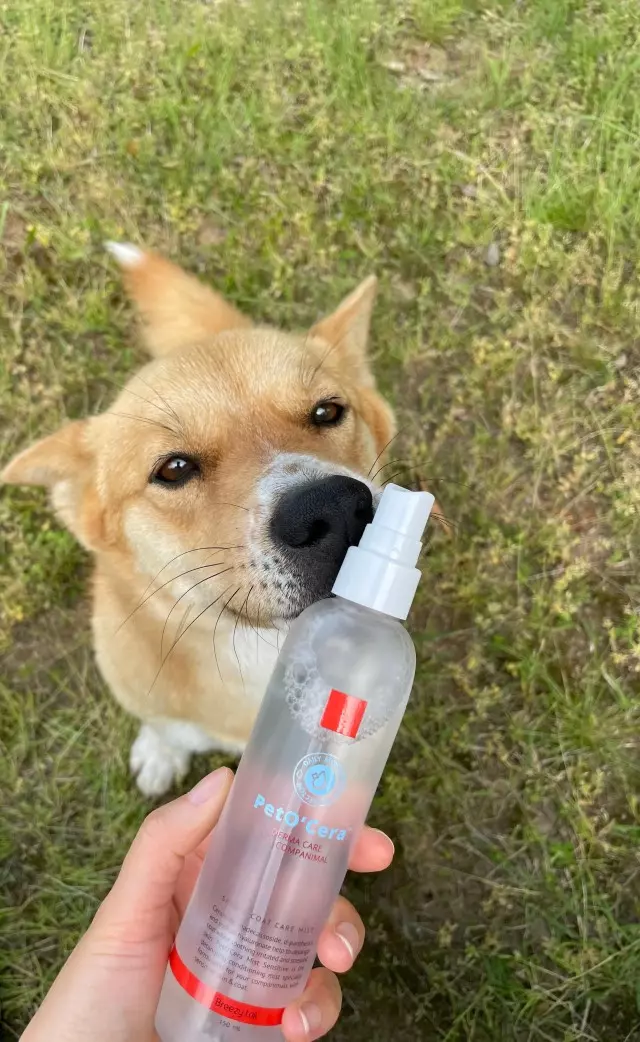
Fleas, ticks, and other parasites can lead to significant skin issues and allergies. Symptoms include excessive scratching, bald patches, and irritation. Regular preventative treatments can mitigate these risks. After a flea infestation, apply gentle skin barrier sprays, like the PetO’CERA Mist Sensitive, to help soothe your dog’s skin and ensure it recovers smoothly.
6. Skin Infections or Chronic Conditions
Skin infections, like yeast infections or chronic conditions such as dermatitis, can be a source of discomfort for many dogs. Signs include redness, swelling, and foul odors. If you suspect your dog is dealing with such issues, don’t hesitate to reach out to your veterinarian for a thorough assessment.
7. Genetic Predisposition in Certain Breeds
Some dog breeds are genetically prone to sensitive skin, including Bulldogs, Pit Bulls, and Westies. If you have one of these breeds, understanding their specific needs is essential. A specialized care routine can help keep their skin in optimal condition, including regular skin checks and tailored grooming practices.
Bonus Section: Building a Sensitive Skin Routine for Your Pet
Creating a gentle skincare routine is pivotal for your pet’s health. Start with hypoallergenic shampoos to prevent irritation, and don’t forget to hydrate your dog’s skin! Incorporating a topical mist like PetO’CERA Mist Sensitive can provide instant relief during the in-between wash days. Also, keeping your dog hydrated through proper nutrition will fortify their skin barrier, ensuring their skin remains healthy and resilient.
FAQ
Q: How can I tell if my dog has sensitive skin?
A: Signs of sensitive skin in dogs include excessive scratching, licking, and visible redness. You may also notice dry or flaky patches.
Q: What is the best way to treat my dog’s skin irritation?
A: Begin by identifying the underlying cause, whether it’s allergies or diet. Using gentle products and hydrating skin mists can provide relief, but always consult a veterinarian for persistent issues.
Q: How often should I bathe my dog if they have sensitive skin?
A: Limit baths to every 4-6 weeks, ensuring you use mild, pH-neutral products. Too frequent bathing can worsen skin sensitivity by stripping natural oils.
Leave a Reply