Introduction
Every pet parent knows that sparkling, vibrant eyes are a sign of good health. Just like us humans, our furry friends can experience a variety of eye issues that require attention. From pesky allergies to more serious infections, understanding these common concerns can make a world of difference in your pet’s quality of life. So let’s jump in and keep those beautiful eyes shining bright! 🌟
Common Eye Problems in Pets
It’s essential to recognize the typical eye problems that can affect your dogs and cats. Here’s what you should be on the lookout for:
Redness or Irritation
Redness is often the first sign that something isn’t quite right. Whether it’s from allergies, irritants, or an infection, don’t ignore those cherry-red eyeballs!
Excessive Tearing or Discharge
A little tear production is normal, but excessive tearing could mean your pet is experiencing a problem. Pay attention to any unusual discharge—whether it’s clear, yellow, or green.
Eye Infections (Conjunctivitis)
Just like us, pets can develop conjunctivitis. This condition often comes with redness, swelling, and discharge. Keeping an eye on these symptoms is essential! 👀
Dry Eyes or Keratoconjunctivitis Sicca
Dry eyes can be painful for pets and lead to severe complications if not treated. This condition can also cause redness and irritation.
Allergies Affecting the Eyes
Pets can suffer from various allergies that might influence their eyes. Environmental allergens, food allergies, and more can cause your baby to rub their eyes incessantly.
Signs Your Pet Has an Eye Issue
How can you tell if Fluffy or Fido is experiencing eye discomfort? Keep an eye out for these telltale signs:
- Pawing or Rubbing Face: If your pet is frequently pawing at their face, they may be trying to alleviate discomfort.
- Squinting or Blinking Frequently: This behavior can indicate sensitivity to light or pain, suggesting an underlying issue.
- Cloudy Eyes or Noticeable Redness: Any noticeable changes in eye color or clarity should prompt action.
- Behavioral Changes: If your pet is suddenly less playful or seems agitated, it might be due to eye discomfort.
Home Care Tips for Minor Eye Problems
Got a minor eye issue at home? Here’s how to manage it with love and care:
- Keeping the Area Clean: Regularly clean around your pet’s eyes with a damp cloth. 🌼
- Using a Clean Saline Rinse or Vet-Approved Eyedrops: Consult your vet for a suitable saline solution, and avoid using human products unless directed!
- Safe Ingredients in Pet Eye Care Products: Look for products with natural, soothing ingredients that are safe for pets.
- Avoiding Human Medication: Using human medication can exacerbate the problem, so please avoid it unless prescribed by a vet.
When to See a Vet
Not all eye issues can be managed at home. It’s time to consult your vet if:
- Symptoms persist for more than a day or worsen.
- Your pet shows signs of pain, like excessive squinting or pawing at one eye.
- There’s noticeable swelling or a bulging eye.
- You suspect a foreign body in the eye or if there’s any trauma to the eyeball.
Choosing the Right Pet Eyedrop
When it comes to selecting the best eyedrop for your pet, keep these key points in mind:
- Look for Pet-Safe Ingredients: Ensure the eyedrop is specifically formulated for animals.
- Vet-Recommended: Always opt for products that are recommended or developed by veterinary professionals.
- Ceramide-Rich Formulations: These drops help to soothe and protect your pet’s eyes, offering effective moisture for irritated eyes.
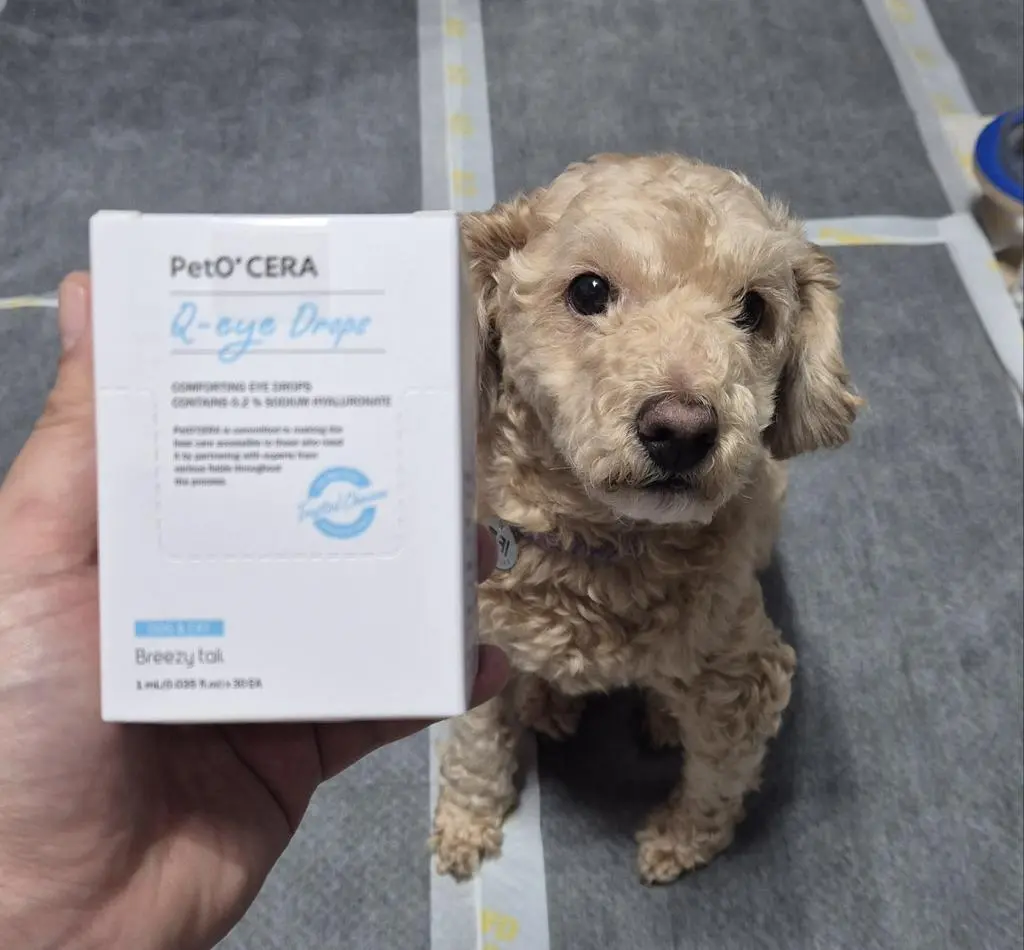
A gentle, effective option to consider is PetO’CERA Eyedrops. They provide a trusted, vet-approved solution for maintaining your pet’s eye health and alleviating minor irritations.
Preventive Eye Care Routine
Establishing a routine for eye care can help protect your pet from future issues:
- Regular Inspection of Your Pet’s Eyes: Make a habit of checking your pet’s eyes to catch any early signs of trouble.
- Safe Cleaning Techniques: Use gentle solutions to clean around your pet’s eyes regularly.
- Maintaining Hygiene in Tear-Prone Breeds: Certain breeds, like pugs and Persians, are more prone to eye problems, so extra care is crucial.
Conclusion
Keeping an eye on your pet’s eye health is not just essential; it’s an act of love. Regular monitoring and early intervention can prevent more severe complications. So, pay close attention to their eyes and keep their spirits bright! Because when it comes to your pet’s health, they deserve nothing less than the best! 🌈✨
FAQs
Q: Can I use human eyedrops on my dog?
A: It’s best to avoid using human eyedrops unless prescribed by a vet, as they can contain harmful ingredients for pets.
Q: How often should I clean my pet’s eyes?
A: Regular cleaning should be done as needed, especially for breeds susceptible to tearing or discharge.
Q: Are dog/cat eyedrops safe for daily use?
A: Always refer to your vet for recommendations regarding the frequency and safety of any eyedrops for your pet.
Leave a Reply